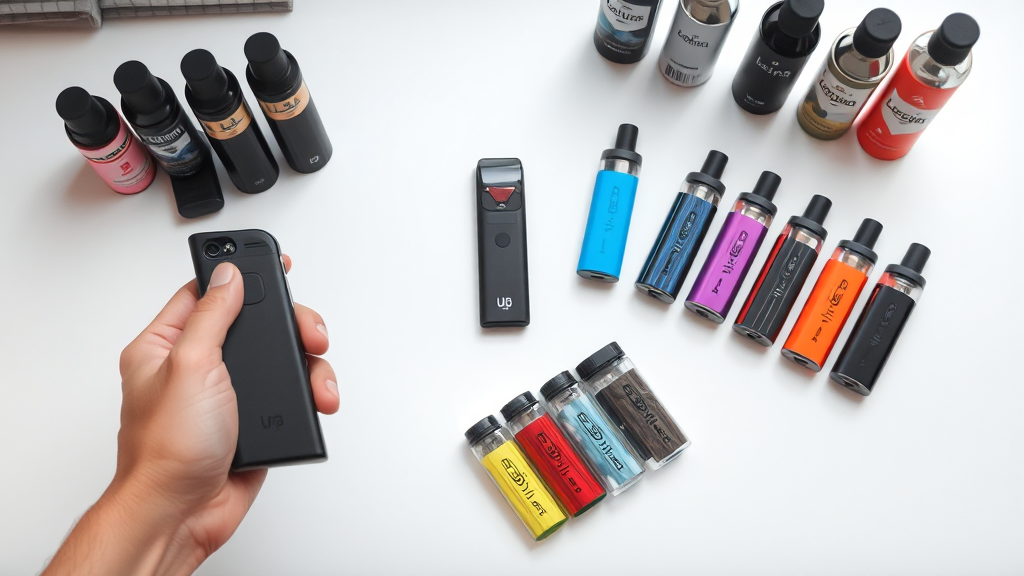
Singapore Lana Vape Claims, Checked: What Holds Up and What Does Not
The most repeated claim about buying vapes online in Singapore is that every seller is either a scam or a customs trap, and that the only safe option is to give up and go without. That single sentence gets copied across forums, comment sections and group chats with almost no evidence attached to it. So instead of adding another opinion to the pile, this piece tests the loudest claims one at a time against what is actually observable when you order from a local stock retailer like Singapore lana vape. Each section takes one claim, looks at what is genuinely checkable, and ends with a short verdict. No hype, no scare tactics, just a straight read for adults who are tired of guessing.
Claim 1: Every Online Vape Seller in Singapore Is a Scam
This is the claim that starts most arguments, and it is the easiest one to test. The reasoning usually goes: if a shop cannot operate openly, then every shop must be fake. That logic skips a step. What is actually observable is that some sellers are fake, and some are established local operations with consistent stock, repeat customers and traceable contact channels. The difference shows up in behaviour, not in slogans.
A scam seller typically has no stable inventory, changes contact details often, and pressures you into paying before you can ask basic questions. A real local stock operation behaves the opposite way: stock is listed with actual model names, quantities are realistic, and the same contact channel stays live over time. When you look at lana vape sg, the pattern is closer to the second type — a retailer built around ready local stock rather than a disappearing storefront. That does not prove every seller is honest, but it does break the absolute version of the claim.
Verdict: False as stated. “Every seller is a scam” is not supported. “Some sellers are scams” is true, and the way to tell them apart is behaviour over time, not the fact that they sell online.
Claim 2: Same-Day Delivery Is Just Marketing Talk
The second common claim is that same-day delivery is a phrase sellers throw around but never actually deliver on. This one is partially fair, because plenty of listings do promise same-day and then quietly mean “sometime this week.” But the claim as usually written — that same-day is always fake — is too broad.
What is checkable is whether a seller ties the promise to something concrete: cut-off times, delivery windows, and a defined local area. A genuine same-day service has to work within a city, which means it depends on local stock sitting ready rather than stock shipped from overseas after you pay. That is the mechanism behind Lana vape same day delivery — the speed only exists because the inventory is already in Singapore. If a seller cannot explain where the stock physically is, the same-day promise has nothing to stand on.
Verdict: Partly true. Same-day is often exaggerated, but it is real when a seller holds local stock and states clear cut-off times. The promise is only as good as the inventory behind it.
Claim 3: Discreet Packaging Means Something Suspicious
There is a persistent idea that if a seller advertises discreet packaging, they must be hiding something shady. This claim confuses privacy with deception. Discreet packaging simply means the parcel does not announce its contents on the outside — a normal practice for many product categories, not a red flag unique to vapes.
What matters is not whether the box is plain, but whether the seller is clear about what is inside and what you are paying for. A trustworthy operation will tell you the exact device or pod model, confirm authenticity, and still ship it in packaging that does not advertise itself to whoever handles the parcel. When you look at Singapore vape delivery, discreet packaging is presented as a standard part of the service, not a secret feature. Privacy in transit and honesty about contents are not opposites — they usually come from the same seller.
Verdict: False. Discreet packaging is a privacy practice, not evidence of wrongdoing. Judge the seller by product transparency, not by whether the box is plain.
Claim 4: Local Stock Does Not Really Matter
Some buyers argue that local stock is irrelevant as long as the price is low and the product eventually arrives. That claim sounds practical, but it falls apart the moment something goes wrong. Local stock is what determines whether a device reaches you today, whether replacements are available, and whether anyone can actually resolve a problem.
When stock is held locally, the seller can confirm availability before you pay, dispatch quickly, and swap a faulty unit without a weeks-long wait. When stock is not local, every issue becomes a shipping dispute with no local party to answer for it. This is the practical difference behind Vape delivery sg — the value is not just speed, it is accountability. A seller with real shelves can be checked against; a seller with only a website cannot.
Verdict: False. Local stock matters a great deal. It is the difference between a resolved problem and an open-ended wait.
Claim 5: Authentic Devices Are Impossible to Verify Online
The fifth claim is that you can never really know if an online vape is authentic, so the whole exercise is pointless. This overstates a real concern. Verification is not impossible — it just requires the seller to give you something to verify against.
Authentic products come with identifiable model names, consistent packaging and details that match the manufacturer’s own listings. Sellers who deal in genuine stock tend to name exact models rather than vague categories, because the specifics are the selling point. That is why a catalogue built around named devices, such as the Elf Bar range, reads differently from a listing that only says “disposable vape.” A seller like Sg vape shop delivery that lists real models gives you a way to cross-check, which is the opposite of an unverifiable transaction.
Verdict: Mostly false. Authenticity can be checked when the seller names real models and matches manufacturer details. The claim only holds for sellers who stay deliberately vague.
Claim 6: Convenience Always Comes at the Cost of Safety
The final claim ties everything together: that anything convenient must be cutting corners, so fast delivery and easy ordering are themselves warning signs. This is the most emotionally convincing claim and the least evidence-based. Convenience and reliability are not in conflict — they usually depend on the same thing, which is a well-run local operation.
Speed comes from preparation: stock on hand, clear processes, defined delivery areas. Those same factors are what make a seller dependable rather than reckless. The real risk is not convenience itself, but convenience offered without any visible infrastructure behind it. A seller who can explain their stock, their delivery window and their product line is not cutting corners by being fast — they are fast because they are organised. That is the pattern worth looking for, and it is the one that survives contact with an actual order.
Verdict: False. Convenience and safety are not opposites. Speed built on local stock and clear processes is a sign of organisation, not risk.
Quick Recap: Which Claims Survived the Check
| Claim | Verdict | What Actually Holds Up |
|---|---|---|
| Every online seller is a scam | False as stated | Some are; behaviour over time separates them |
| Same-day delivery is just marketing | Partly true | Real when backed by local stock and cut-off times |
| Discreet packaging means something shady | False | It is a privacy practice, not a red flag |
| Local stock does not matter | False | It decides speed and accountability |
| Authenticity is impossible to verify | Mostly false | Named models and matching details make it checkable |
| Convenience costs safety | False | Speed and reliability come from the same preparation |
Read together, the pattern is clear. Most of the scary claims about buying vapes online in Singapore are absolute statements that collapse as soon as you ask what is actually observable. The useful question is never “is online vape buying safe in general” — it is “does this specific seller hold real local stock, name real products, and stand behind what they send.” Answer that, and the myths stop doing your thinking for you.